Warp Point Chess
By Jason Shields
Introduction
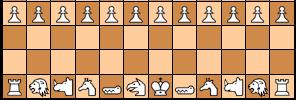
In Warp Point Chess, the Knights are replaced by Warp Point pieces that neither can capture or be captured, but act as gateways that friendly pieces can travel through.
Rules
The game is conducted by rules of FIDE Chess, except where noted otherwise below. The usual board and array are used, with the exception that the Knights are replaced by Warp Points. Pawns may only promote to Bishops, Rooks or Queens. A Pawn that returns to the 2nd rank regains the ability to make an initial double move.
Warp Points
Warp Points move like the Knights they replace, but they may neither capture nor be captured. Pieces and Pawns may move through Warp Points of their own color, but not of the other player's.
Squares next to a friendly Warp Point are adjacent to the squares on the opposite side of the other friendly Warp Point. For example, a square on the left of one of a player's Warp Points is adjacent to the square to the right of the player's other Warp Point.
Pieces and pawns may move through the warp points, exiting in the same direction as they entered (even capturing). For example:
         
|
+---+---+---+---+---+---+---+---+ | |:+:| |:::| |:::| |:::| +---+---+---+---+---+---+---+---+ |:::| |:+:| |:*:| |:::| | +---+---+---+---+---+---+---+---+ | |:::| |:W:| |:::| |:::| +---+---+---+---+---+---+---+---+ |:::| |:::| |:::| |:::| + | +---+---+---+---+---+---+---+---+ | |:::| |:::| |:::| + |:::| +---+---+---+---+---+---+---+---+ |:::| * |:::| W |:::| + |:::| | +---+---+---+---+---+---+---+---+ | |:::| P |:::| B |:::| |:::| +---+---+---+---+---+---+---+---+ |:::| |:::| + |:::| + |: :| | +---+---+---+---+---+---+---+---+ |
If a piece or Pawn is "sandwiched" between two Warp Points in a legal direction of movement, then by the warping rule, a piece may move to its original position, counting that as a move. Some examples:
  
|
+---+---+---+---+---+---+---+---+ | |:::| |:W:| |:::| |:::| +---+---+---+---+---+---+---+---+ |:::| |:::| |:::| |:::| | +---+---+---+---+---+---+---+---+ | |:B:| |:W:| |:::| |:::| +---+---+---+---+---+---+---+---+ |:W:| |:::| R |:::| W |:::| | +---+---+---+---+---+---+---+---+ | |:::| |:::| |:P:| |:::| +---+---+---+---+---+---+---+---+ |:::| |:::| W |:::| W |:::| | +---+---+---+---+---+---+---+---+ | |:::| |:::| |:::| |:::| +---+---+---+---+---+---+---+---+ |:::| |:::| |:::| |: :| | +---+---+---+---+---+---+---+---+ |
It is possible that, if the other players King is next to your own Warp Point (A), then your own King can move next to Warp Point (B), thus placing the other player's King in check with your own.
En passant captures are possible through Warp Points, and of pieces that have moved through Warp Points. The general rule can be stated thus: if a Pawn makes a double move such that the first square moved through is attacked by an opposing Pawn, on the following turn the opposing Pawn may capture the Pawn that just moved en passant. To give an extreme example:
 
|
+---+---+---+---+---+---+---+---+ | |:::| |:::| |:::| |:::| +---+---+---+---+---+---+---+---+ |:::| p |:::| |:::| + |:w:| | +---+---+---+---+---+---+---+---+ | w |:::| |:::| |:*:| |:::| +---+---+---+---+---+---+---+---+ |:::| |:::| |:::| W |:::| | +---+---+---+---+---+---+---+---+ | |:::| |:::| |:::| |:::| +---+---+---+---+---+---+---+---+ |:::| |:::| W |:::| |:::| | +---+---+---+---+---+---+---+---+ | |:::| |:P:| |:::| |:::| +---+---+---+---+---+---+---+---+ |:::| |:::| |:::| |: :| | +---+---+---+---+---+---+---+---+ |
A Warp Point that is a Knight's move away from its companion Warp Point may make a double Knight's move through the friendly Warp Point, ending up one Knight's move past the other Warp Point in the same direction. For example:
|
|
+---+---+---+---+---+---+---+---+ | |:::| |:::| |:::| |:::| +---+---+---+---+---+---+---+---+ |:::| |:::| |:::| |:::| | +---+---+---+---+---+---+---+---+ | |:::| |:+:| |:::| |:::| +---+---+---+---+---+---+---+---+ |:::| |:::| |:::| |:::| | +---+---+---+---+---+---+---+---+ | |:::| |:::| W |:::| |:::| +---+---+---+---+---+---+---+---+ |:::| |:::| |:::| |:::| | +---+---+---+---+---+---+---+---+ | |:::| |:::| |:W:| |:::| +---+---+---+---+---+---+---+---+ |:::| |:::| |:::| |: :| | +---+---+---+---+---+---+---+---+ |
Equipment
Warp Point Chess can very easily be played with a Western Chess set. However, it may be hard to keep in mind that the Knights are actually Warp Points. If that's the case, it may be best to replace them with appropriately colored glass stones, checkers, poker chips or cardboard disks.
Grand Warp Point Chess
Grand Warp Point Chess is an extended version of Warp Point Chess played on a 10x10 board, where instead of the Warp Points replacing the Knights, there is the full set of FIDE pieces, plus the Warp Points and two additional Pawns.
The Grand Warp Point setup adds the Warp Points to the ends of the arrays:
              
|
    +---+---+---+---+---+---+---+---+---+---+
10  | w |:r:| n |:b:| q |:k:| b |:n:| r |:w:|
    +---+---+---+---+---+---+---+---+---+---+
 9  |:p:| p |:p:| p |:p:| p |:p:| p |:p:| p |
    +---+---+---+---+---+---+---+---+---+---+
 8  |   |:::|   |:::|   |:::|   |:::|   |:::|
    +---+---+---+---+---+---+---+---+---+---+
 7  |:::|   |:::|   |:::|   |:::|   |:::|   |
    +---+---+---+---+---+---+---+---+---+---+
 6  |   |:::|   |:::|   |:::|   |:::|   |:::|
    +---+---+---+---+---+---+---+---+---+---+
 5  |:::|   |:::|   |:::|   |:::|   |:::|   |
    +---+---+---+---+---+---+---+---+---+---+
 4  |   |:::|   |:::|   |:::|   |:::|   |:::|
    +---+---+---+---+---+---+---+---+---+---+
 3  |:::|   |:::|   |:::|   |:::|   |:::|   |
    +---+---+---+---+---+---+---+---+---+---+
 2  | P |:P:| P |:P:| P |:P:| P |:P:| P |:P:|
    +---+---+---+---+---+---+---+---+---+---+
 1  |:W:| R |:N:| B |:Q:| K |:B:| N |:R:| W |
    +---+---+---+---+---+---+---+---+---+---+
a b c d e f g h i j |
|
|
In the latest FIDE Laws of Chess, Knights don't really have a path of movement, but rather: "The knight may move to one of the squares nearest to that on which it stands but not on the same rank, file or diagonal." However, given how Warp Points work, it is better to consider a Knight to have a path of movement, so that is can pass through the Warp Points.
In Warp Point Chess, Knights have the move of Horse (or Mao) from XiangQi (or Chinese Chess): moving one square orthogonally (left, right, up or down), followed by one square diagonally outward, except unlike the Horse, it may leap over an occupied first square. This means a Knight may move orthogonally through an adjacent Warp Point, or diagonally through one a square away. For example:
  
|
+---+---+---+---+---+---+---+---+ | |:+:| |:::| |:::| |:::| +---+---+---+---+---+---+---+---+ |:::| * |:::| |:::| |:::| | +---+---+---+---+---+---+---+---+ | |:::| W |:::| |:::| |:::| +---+---+---+---+---+---+---+---+ |:::| |:::| |:::| |:::| | +---+---+---+---+---+---+---+---+ | |:::| |:::| |:::| |:::| +---+---+---+---+---+---+---+---+ |:::| |:::| + |:::| W |:::| *+| +---+---+---+---+---+---+---+---+ | |:::| |:::| * |:N:| |:::| +---+---+---+---+---+---+---+---+ |:::| |:::| + |:::| |:N:| | +---+---+---+---+---+---+---+---+ |
Computer Play
An implementation of Warp Point Chess has been written for Zillions of Games. You can download it here:
Editorial Note: Warp Point Chess calls to mind several other variants without being the same as any of them: like Juraj Lorinc's game of Black Holes, it contains pieces you can move into, and appear out of elsewhere on the board; like Fergus Dunhio's Wormhole Chess, distant squares become adjacent; and like Mannis Charosh's game of Knight Relay Chess, it features uncapturable Knights that make friendly pieces more mobile.
Written by Jason Shields HTML Conversion by Peter Aronson.
WWW page created: April 29th, 2002.
WWW page update: May 11th, 2002.